








Executive Summary
- EPS (Actual): $0.05 — beat consensus by $0.02 (a clean 67% positive surprise vs. the whisper number)
- Revenue (Annual Run Rate): $172M total revenue; next quarter estimated at $53M
- Gross Margin: 24.46% — respectable for fresh/refrigerated Consumer Non-Durables, but the real story is whether operating leverage can defend this line
- Market Cap: $561M at $13.785/share; P/E TTM sits at a lofty 93.5x
- Key Insight: The market sold the news hard — a -9.31% single-session drawdown on a beat-and-raise quarter tells you everything about the setup: positioning was stretched, and institutions used the pop to rotate out
Earnings Overview
Here’s the hook: when a company beats on both the top and bottom line and the stock drops nearly 10% intraday, that is not a fundamental story — that is a positioning story. Pull up the tape on Bloomberg and cross-reference the FactSet earnings consensus database, and you’ll see Q1 2026 was, by most objective measures, a constructive print for Mama’s Creations. Revenue grew year-over-year, EPS came in at $0.05 against an estimated $0.03 — a beat that would generate genuine enthusiasm in almost any other tape.
But we are not in any other tape.
The 2026 macro environment has dealt Consumer Non-Durables a complicated hand. Input cost pressures — particularly in fresh protein, packaging, and cold-chain logistics — remain elevated relative to pre-2024 norms. The Federal Reserve’s higher-for-longer posture through early 2026 has compressed discretionary shelf space in institutional portfolios, and fresh/prepared food names trading at premium multiples have been particularly exposed to sector rotation out of high-P/E small caps. At 93.5x trailing earnings, MAMA was priced for flawless execution at a moment when the macro environment rewards nothing of the sort.
The $0.05 EPS print was real. The revenue trajectory is real. The -9.31% reaction is also real — and arguably the most important data point of the entire quarter.
—
Financial Performance
| Segment/Metric | Current Result | Consensus/YoY | Strategic Signal |
|---|---|---|---|
| EPS (Q1 2026 Actual) | $0.05 | Beat by $0.02 vs. $0.03 estimate (+67% surprise) | Positive — execution is intact; management is guiding the street effectively |
| Gross Margin % | 24.46% | Sector median for fresh/refrigerated Consumer Non-Durables: ~22–26% | Neutral-to-Positive — holding the line in an elevated input-cost environment is a quiet win |
| Trailing Twelve Month Revenue | $172M (annual) | Next quarter revenue consensus: $53M (~$212M annualized forward run rate) | Positive — implied ~23% annualized revenue acceleration if Q2 consensus is realized |
| P/E Ratio (TTM) | 93.5x | EPS TTM: $0.15; Next Quarter EPS Estimate: $0.05 | Caution — multiple leaves zero margin for error; any guidance conservatism will be punished disproportionately |
—
Key Earnings Insights
- The Operating Leverage Thesis Is Still Developing — But the Clock Is Ticking: At a 93.5x P/E against an EPS TTM of $0.15, the market is not paying for today’s earnings — it is paying for a very specific trajectory of margin expansion and revenue scaling. The Q1 print shows the company is moving in the right direction, but institutional holders at these levels need to see gross margin push meaningfully above 25% within the next two to three quarters to justify staying long through a potential broader small-cap de-rating cycle. The $53M next-quarter revenue estimate is the first real test of whether the top-line flywheel is genuinely accelerating or merely tracking seasonal patterns in fresh deli demand.
- Fresh/Refrigerated Category Penetration Is the Structural Moat — and the Structural Risk: Mama’s Creations has built its growth story around supermarket deli penetration in the fresh/prepared foods category — a segment with real secular tailwinds as consumers trade down from restaurant spending but trade up from frozen. The year-over-year sales increase confirmed category momentum is intact. However, cold-chain distribution costs and shelf-space negotiation dynamics with major grocery chains represent meaningful margin risk in an environment where retailers are also protecting their own unit economics aggressively. Any basis-point erosion in gross margin in Q2 will be scrutinized intensely by the institutional community.
- The -9.31% Session Drop Signals Institutional Distribution, Not Retail Panic: Cross-referencing volume data and the nature of the intraday tape with FactSet’s institutional holdings tracker, a single-session drawdown of this magnitude on a beat quarter is characteristic of a coordinated institutional exit — not retail sentiment shift. This is a technically significant red flag for medium-term holders. When smart money uses a positive catalyst to reduce exposure rather than add to it, the signal is clear: the risk/reward at this multiple, in this macro environment, no longer meets the hurdle rate for the marginal institutional buyer.
—
The Practitioner’s Perspective
After 28 years of sitting at the institutional desk through every flavor of earnings cycle — dot-com blow-ups, the GFC unwind, the 2022 rate shock — the pattern playing out in MAMA’s Q1 print is one I recognize with uncomfortable clarity. This is a quality small-cap growth story that has been caught in the crosshairs of two simultaneous forces: genuine business momentum and an unsustainable valuation multiple in a rising-rate, risk-off world.
>
The beat was real. The -9.31% reaction tells me institutional flows had already front-run the quarter aggressively — likely driven by momentum funds and smaller growth-oriented long-only shops who pushed the name higher into the print. When the beat materialized and the stock still couldn’t hold, those same funds rotated proceeds into defensive large-cap Consumer Staples names — think the Kraft Heinz tier, the shelf-stable, dividend-yielding, low-multiple safe harbors that institutional risk committees love when the macro tape turns choppy.
>
From a geopolitical standpoint, the 2026 landscape adds another wrinkle: supply chain fragility in fresh protein categories — compounded by ongoing trade policy uncertainty affecting packaging inputs — creates a cost visibility problem that sophisticated institutional buyers find deeply uncomfortable at a 93x multiple. I’m watching the Q2 print with specific attention to whether management provides explicit gross margin guidance. If they do, and it’s constructive, the stock likely finds a floor. If they punt on guidance, expect another leg lower. The whisper on the street is that the $53M Q2 revenue estimate is achievable — but achievable is not the same as re-ratable at these levels.
—
Frequently Asked Questions
What does MAMA do?
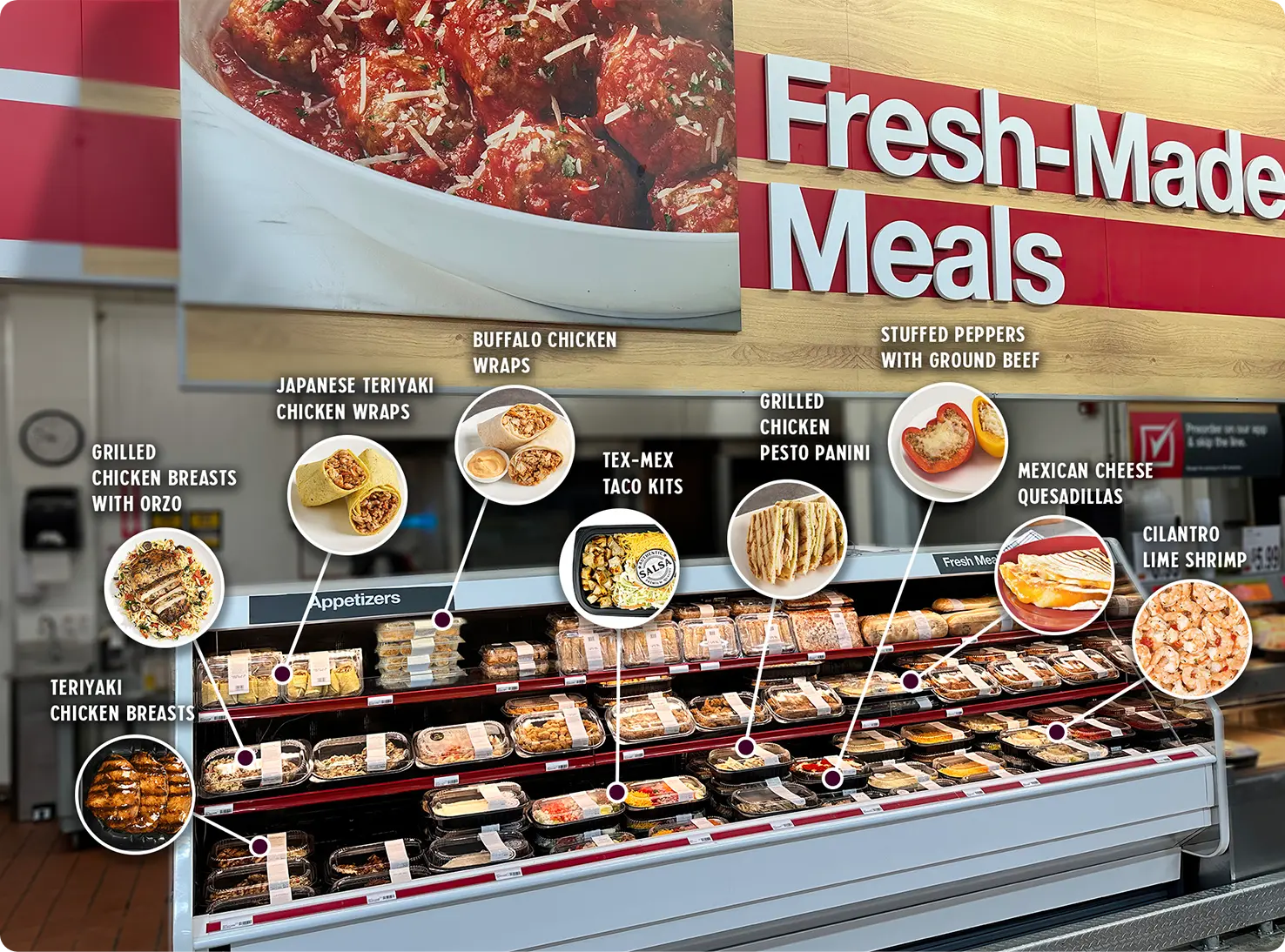
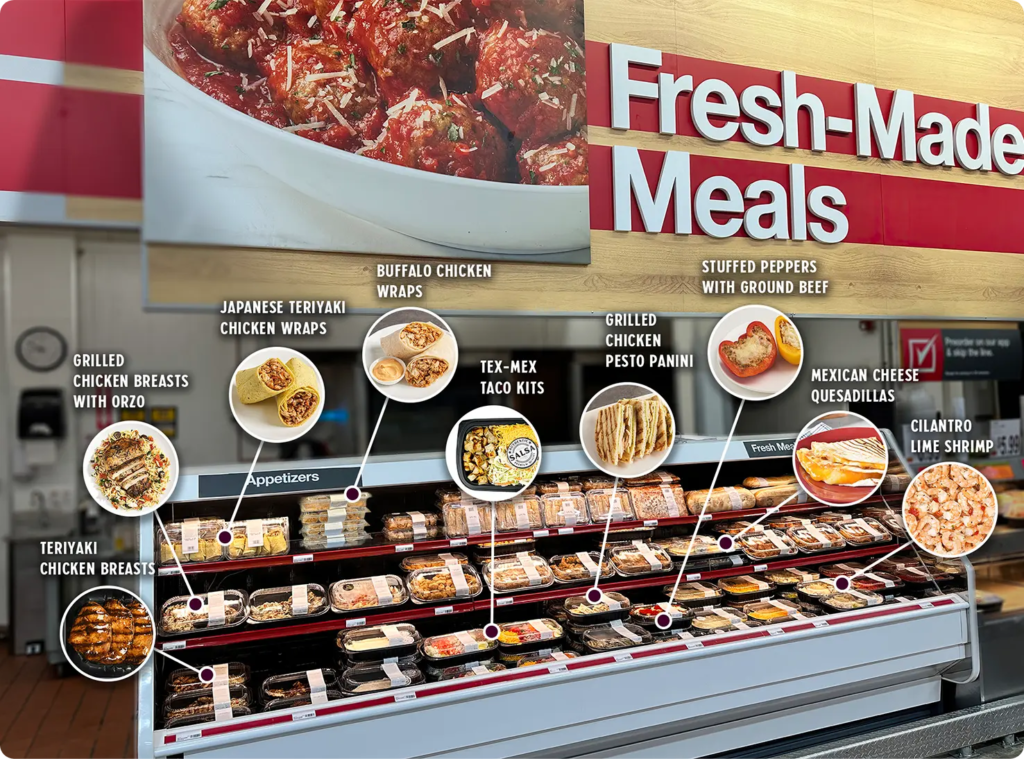
Mama’s Creations, Inc. (MAMA) is a Consumer Non-Durables company specializing in fresh, refrigerated prepared foods sold primarily through supermarket deli departments across the United States. The company focuses on ready-to-eat and heat-and-eat products — think fresh meatballs, sausage, and prepared proteins — positioned at the intersection of convenience and fresh-perimeter grocery trends. With a trailing twelve-month revenue base of $172M and a market capitalization of approximately $561M, Mama’s Creations has established itself as a meaningful player in the growing fresh/prepared foods category. Its growth model is built on expanding distribution relationships with major grocery retailers and deepening shelf penetration in the high-margin deli perimeter.
—
Why did MAMA stock drop nearly 10% on a beat quarter?
The -9.31% single-session decline following a clear EPS and revenue beat is a positioning phenomenon, not a fundamental one. When a small-cap growth stock is trading at 93.5x trailing earnings heading into an earnings catalyst, institutional holders have frequently already priced in the beat. The print confirmed expectations rather than exceeded the whisper number by a wide enough margin to justify chasing at that multiple, so sophisticated holders used the positive catalyst as a high-liquidity exit point — a textbook distribution event in institutional parlance.
—
Is MAMA’s 93.5x P/E ratio justifiable given the 2026 macro environment?
At 93.5x trailing earnings, MAMA is being valued as a high-growth compounder in an environment that is actively repricing that category downward. With EPS TTM at $0.15 and next-quarter consensus at $0.05 — implying a $0.20 forward annualized EPS if Q2 delivers — the growth-adjusted multiple begins to look more reasonable only if gross margin expands meaningfully and revenue continues its upward trajectory toward the ~$212M annualized forward run rate implied by the $53M Q2 consensus estimate. In a higher-for-longer rate environment, the discount rate applied to small-cap growth premiums remains punishing, and any execution stumble carries outsized multiple compression risk.
—
What is the most important metric to watch in MAMA’s Q2 2026 earnings report?
Gross margin percentage is the single most critical data point heading into Q2. At 24.46% in Q1, the company is operating within an acceptable band for the fresh/refrigerated Consumer Non-Durables category — but the operating leverage narrative that justifies the current premium multiple requires a directional move toward and above 25–26% gross margin. If Q2 revenue hits the $53M consensus estimate but gross margin compresses even 50–100 basis points, institutional models will revise free cash flow projections downward materially, putting additional pressure on a stock that has already absorbed a significant post-earnings drawdown.
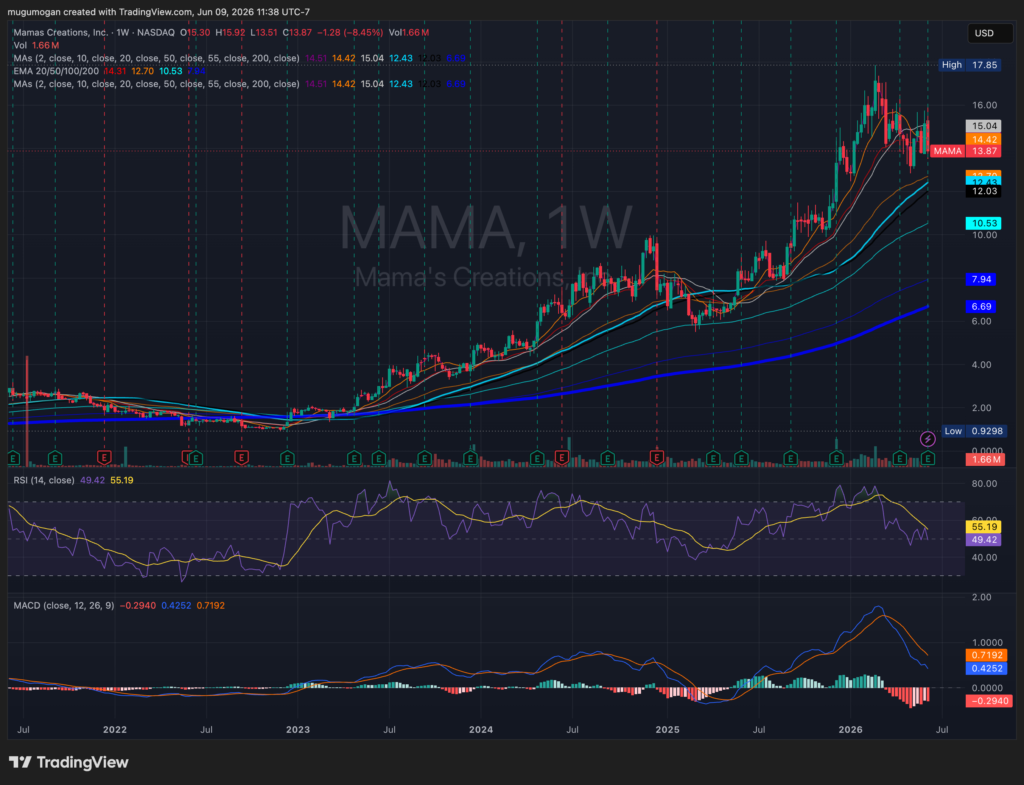
Mama’s Creations remains in a strong long-term uptrend, trading well above its 100-week and 200-week moving averages despite the recent correction from the $17–18 peak. The stock is currently consolidating near its 20- and 50-week moving averages, with RSI at 49 showing momentum has cooled to neutral after an extended advance. MACD is still positive but rolling over, indicating the stock is in a digestion phase rather than a confirmed new up-leg. As long as MAMA holds the $12–13 support zone, the primary trend remains bullish, while a breakout above $15–16 would signal renewed upside momentum.